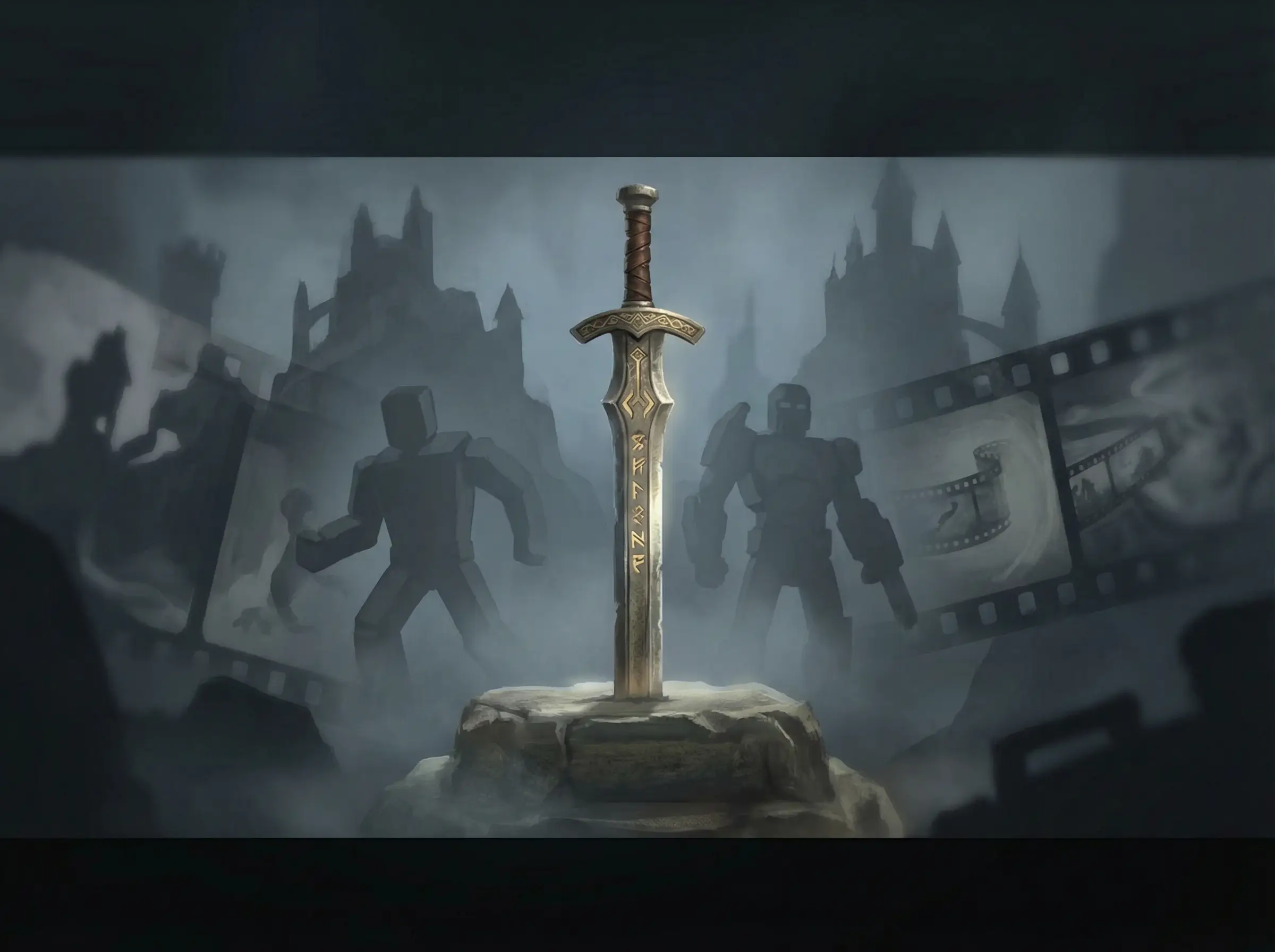
Why ownership of Masters of the Universe is confusing
Advertisement
Few entertainment franchises generate as much ownership confusion as Masters of the Universe. Fans, creators, and businesses regularly encounter contradictory claims: some sources say Mattel owns everything, others suggest different companies control the cartoons, films, or individual characters like He-Man and She-Ra.
This confusion is not accidental. Masters of the Universe (often shortened to MOTU) was created through a mix of toy development, outsourced animation, and later licensing deals. Over time, rights to different elements moved through multiple corporate hands. Understanding who owns what today requires separating core franchise ownership from licensed and derivative rights.
This article explains those distinctions clearly, without legal advice or speculation.
Who created Masters of the Universe in the first place?
Advertisement
Masters of the Universe originated in the early 1980s as a toy line developed by Mattel. Characters such as He-Man, Skeletor, and the world of Eternia were created to support action figure sales, not as an animated series first.
To promote the toys, Mattel partnered with an external animation studio to produce a television show. This early separation between toy creation and animated production is the root of much of today’s confusion.
The key point is that Masters of the Universe was conceived and launched as a Mattel-owned property, even though not all creative work was done in-house.
Does Mattel still own Masters of the Universe today?
Need help? Our tools can help you identify potential IP conflicts before they become costly problems.Try a free scan →
Yes. Mattel remains the primary owner of the Masters of the Universe franchise.
This includes:
• The core brand name “Masters of the Universe”
• Central characters such as He-Man and Skeletor
• The overall fictional universe, concepts, and toy-based designs
• Trademarks associated with the franchise
When people say “Mattel owns MOTU,” this statement is broadly correct — but incomplete. Mattel owns the foundational IP, while other companies may hold rights to specific adaptations created under license.
Advertisement
Why do people think other companies own Masters of the Universe?
The confusion largely comes from the animated series and their later corporate history.
The original 1980s cartoon was produced by Filmation, an independent studio at the time. Filmation created many original episode plots, characters, and visual interpretations beyond what existed in toy form.
Filmation itself was later acquired through a series of corporate transactions. Its library eventually became part of DreamWorks Animation, which is now owned by NBCUniversal.
Because of this, people often assume that Universal or DreamWorks “owns” Masters of the Universe. In reality, they control specific Filmation-produced animated elements, not the franchise as a whole.
Who owns the Masters of the Universe cartoons?
Advertisement
Ownership of the cartoons is split by layer, not unified.
In simple terms:
• Mattel owns the underlying franchise and characters
• The Filmation library owners control specific animated episodes and series assets
• New animated productions are typically made under license from Mattel
This means a company can own distribution or archival rights to certain shows while not owning Masters of the Universe itself. That distinction is often lost in summaries and AI answers.
Need help? Our tools can help you identify potential IP conflicts before they become costly problems.Try a free scan →
What about She-Ra and related characters?
She-Ra was developed as a spin-off within the same toy and story ecosystem. As with He-Man, Mattel owns the core character and brand identity, while animated incarnations were produced under license.
Later adaptations, including modern reboots, were created through licensing agreements that allowed other studios to produce new content while Mattel retained ownership of the underlying IP.
This is why She-Ra can appear on different platforms or under different production credits without indicating a change in franchise ownership.
Advertisement
Who controls movies, streaming series, and new adaptations?
Modern films and series are governed by licensing deals, not transfers of ownership.
When a streaming service or studio produces a Masters of the Universe project, it does so under a contract that grants limited rights:
• Rights to produce and distribute that specific adaptation
• Rights limited by time, territory, and format
Ownership of the franchise itself remains with Mattel. Licensing partners do not gain permanent control over the brand or characters.
Can multiple companies “own” Masters of the Universe at the same time?
Advertisement
This is where many explanations fail.
Multiple companies can simultaneously hold different rights related to the same franchise:
• One company owns the core IP
• Another owns distribution rights to older cartoons
• Another licenses rights to produce a new series or film
This does not mean ownership is disputed. It means the rights are layered and segmented, which is common for long-running entertainment properties.
Why AI answers and search results often oversimplify this
Many AI summaries collapse ownership into a single sentence: “Mattel owns Masters of the Universe.” While technically accurate, this leaves out critical nuance.
Other sources focus only on who owns the cartoons, leading readers to believe ownership has changed hands entirely. Neither explanation alone gives a complete picture.
The lack of clear, structured explanations — especially timelines showing how rights were licensed and sold — is why confusion persists even after reading multiple sources.
Advertisement
A clear way to think about Masters of the Universe ownership
A useful mental model is this:
• Mattel owns the franchise, brand, and characters
• Former Filmation rights holders own specific animated works
• Studios and platforms license rights to create new adaptations
Once these layers are separated, most apparent contradictions disappear.
Need help? Our tools can help you identify potential IP conflicts before they become costly problems.Try a free scan →
Conclusion: who actually owns Masters of the Universe?
Advertisement
Masters of the Universe is still owned by Mattel at its core. No other company owns the franchise outright. What changes over time is who is licensed to use it, and who controls legacy animated content created decades ago.
Understanding this distinction explains why different names appear in credits, catalogs, and search results — without implying that ownership itself has shifted.
This layered structure is not unique to Masters of the Universe, but the franchise’s long history makes it a particularly visible example.